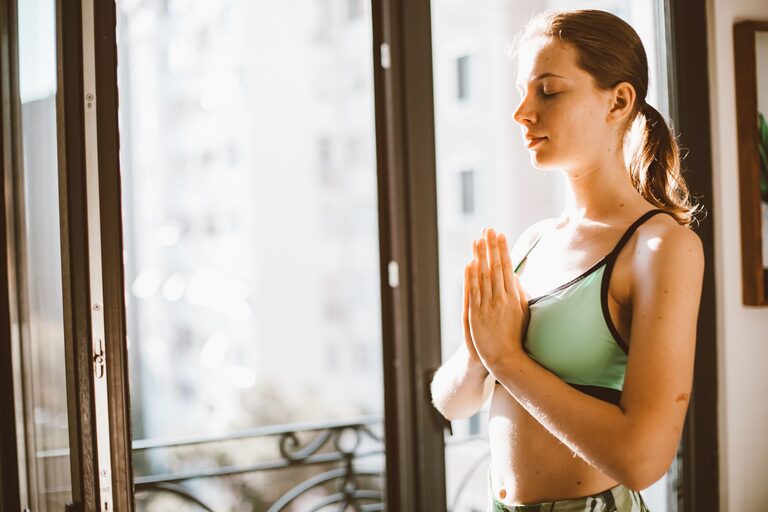

Taking mindful breathing breaks is a simple yet powerful way to improve your focus, reduce stress, and refresh your mind during a busy day. If you’re new to mindfulness or just looking to add some calm moments to your routine, these beginner tips will help you get started with ease.
What Is Mindful Breathing?
Mindful breathing means paying close attention to your breath—the way it flows in and out—without trying to change it. The goal isn’t to force breathing into a specific pattern but to observe it gently and fully. This practice helps anchor your mind in the present moment, which can reduce anxiety and increase clarity.
Why Take Mindful Breathing Breaks?
– Stress Reduction: Short breathing breaks can calm your nervous system and lower stress hormones.
– Improved Focus: Pausing to breathe mindfully helps clear distractions and sharpen your attention.
– Better Emotional Balance: Regular practice encourages calmness and emotional resilience.
– Physical Relaxation: Mindful breathing can ease muscle tension and lower blood pressure.
How to Prepare for Your Mindful Breathing Break
Before starting, find a quiet and comfortable place where you won’t be disturbed for a few minutes. You can sit on a chair with your feet flat on the floor, sit cross-legged, or even lie down if you prefer. Wearing comfortable clothing helps, too.
Beginner Tips for Your Mindful Breathing Breaks
1. Start Small
Begin with just 1 to 3 minutes for your breathing break. Even a brief pause can have noticeable benefits. As you get more comfortable, you can gradually increase the time to 5 or 10 minutes.
2. Focus on Your Breath
Pay attention to the sensation of air entering and leaving your nostrils or the rise and fall of your chest or belly. If your mind wanders (which is normal), gently bring your focus back to your breath without judgment.
3. Breathe Naturally
Don’t try to control your breath. Allow it to flow at its own natural pace. The aim is awareness, not forced breathing techniques.
4. Use a Timer
Set a gentle timer so you don’t have to watch the clock. Many mindfulness apps offer simple timers with calming sounds to help you stay relaxed.
5. Practice Regularly
Try to take mindful breathing breaks at the same times each day, such as mid-morning, lunch, or mid-afternoon. Consistency makes it easier to build a habit.
6. Add Gentle Reminders
Place notes, alarms, or use mindfulness apps to remind you to take breathing breaks. Over time, your body and mind will learn to naturally slow down when needed.
7. Use Guided Breathing (Optional)
If you find it hard to focus, try guided breathing exercises or apps that lead you through the process. This can ease you into the practice and build confidence.
Simple Mindful Breathing Exercise for Beginners
Here’s a quick exercise to get started:
- Sit comfortably with your back straight but relaxed.
- Close your eyes if you feel comfortable, or keep a soft gaze.
- Take a slow, deep breath in through your nose, feeling your belly expand.
- Exhale gently through your mouth or nose, noticing the release of tension.
- Repeat for 3 to 5 minutes, following the natural rhythm of your breath.
- If your mind drifts, gently bring it back to your breathing.
Tips for Staying Motivated
– Celebrate Small Wins: Notice how you feel after each break and appreciate the calm moments.
– Pair with Other Routines: Combine mindful breathing with stretching, walking, or tea breaks.
– Share With Friends or Colleagues: Encouraging others to join can create a supportive environment.
– Be Patient: Like any new habit, mindful breathing takes time to feel natural and effective.
When to Take Mindful Breathing Breaks
– During work or study sessions to refocus.
– Before stressful meetings or events.
– When feeling overwhelmed or anxious.
– As part of your morning or evening routine.
Final Thoughts
Mindful breathing breaks are a straightforward and accessible way to bring more peace and focus into your daily life. Starting small and practicing regularly can help you develop a calming habit that supports your well-being anytime, anywhere. Remember, the key is gentle awareness, not perfection.
Give yourself permission to pause, breathe, and reset—you deserve it!
About the Author