
Creating a weekly reset routine can be a game changer when it comes to maintaining focus, reducing stress, and starting each new week with clarity. Whether your weeks are hectic or somewhat predictable, taking dedicated time to reset allows you to recharge mentally and physically while organizing your tasks and goals.
In this post, we’ll walk you through how to design an effective weekly reset routine that fits your lifestyle. You’ll find practical tips, suggested activities, and ideas to customize your own plan.
Why a Weekly Reset Routine Matters
Before diving into the steps, it’s helpful to understand why a weekly reset is beneficial:
– Mental clarity: It clears the clutter from your mind and calendar, helping you prioritize.
– Stress reduction: A planned routine reduces anxiety caused by feeling overwhelmed.
– Productivity boost: Organizing your goals and tasks can improve your efficiency.
– Self-care: Incorporating relaxing activities supports your overall well-being.
– Goal alignment: Regular reflection keeps you aligned with your short and long-term objectives.
How to Choose the Best Day and Time
Pick a day that tends to be less busy for you. Many prefer Sundays or Fridays, but any day that allows a couple of uninterrupted hours can work.
Consider your energy levels during the day—some people are more focused in the morning, others in the evening. Choose a consistent time slot weekly to build the habit.
Step 1: Declutter Your Space
Your physical environment impacts your mental state. Start your weekly reset by tidying up your most used spaces:
– Clear off your desk or work area.
– Put away items that don’t belong.
– Organize supplies or digital files.
– Dispose of or recycle old papers.
A clean, organized space fosters calmness and focus.
Step 2: Review and Reflect on the Past Week
Take a few minutes to review what you accomplished:
– What goals did you complete?
– What challenges did you face?
– Were there tasks you postponed? Why?
– What lessons did you learn?
Journaling these reflections can help you understand your progress and adjust your approach for next week.
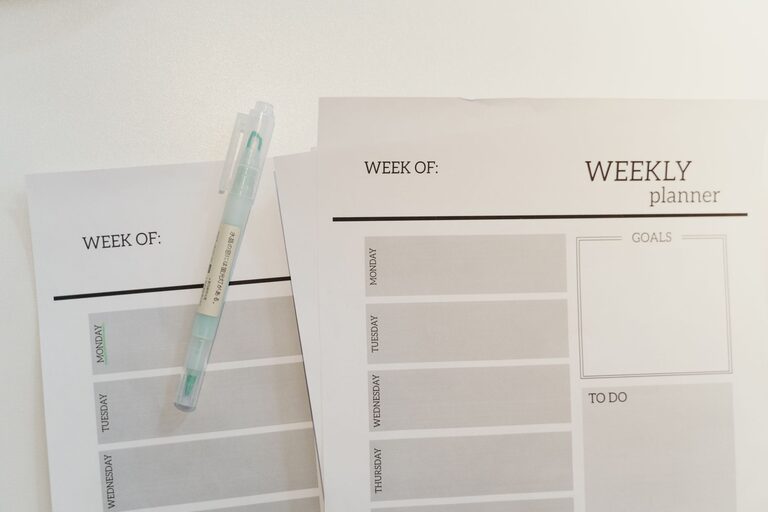
Step 3: Plan Your Upcoming Week
With your reflections in mind, set realistic goals and outline your week:
– Prioritize important tasks.
– Schedule appointments, meetings, and deadlines.
– Break down large projects into manageable steps.
– Allocate time for breaks and downtime.
Using a planner, app, or calendar can keep your plans visible and easy to track.
Step 4: Prepare Essentials
Save time during your busy weekdays by preparing items and materials:
– Choose your outfits for the week or at least the next day.
– Meal prep lunches or snacks.
– Charge devices and organize work tools.
– Make a shopping list if needed.
This preparation supports smoother mornings and reduces decision fatigue.
Step 5: Incorporate Self-Care Activities
Don’t forget to carve out time for activities that promote well-being:
– Meditation or deep breathing exercises.
– Light exercise like stretching or yoga.
– A relaxing bath or skincare routine.
– Reading a book or listening to calming music.
These activities replenish your energy and reduce stress.
Step 6: Digital Detox and Social Reset
Consider limiting screen time during your reset period:
– Unsubscribe from unnecessary emails.
– Clear out your inbox.
– Organize bookmarks and apps.
– Spend quality time offline with family or friends.
This helps create space for meaningful connections and mental rest.
Customize Your Routine to Fit Your Lifestyle
Remember, there’s no one-size-fits-all weekly reset. Customize your routine by:
– Adjusting the length and timing based on your availability.
– Adding hobbies or creative projects you enjoy.
– Including goal review checkpoints at midweek if helpful.
– Pairing your reset with a weekly ritual, like a favorite beverage or a walk outdoors.
Tips for Maintaining Consistency
– Set reminders on your phone or calendar.
– Keep your reset space inviting and ready.
– Start small—focus on 2 to 3 key steps at first.
– Celebrate your commitment by recognizing the benefits you feel.
– Be flexible; it’s okay to modify your routine as needed.
Final Thoughts
Designing a weekly reset routine is a simple yet powerful way to nurture productivity and well-being. It helps you pause, reflect, and prepare with intention. By dedicating a small portion of your week to resetting, you create momentum for positive habits and a clearer, calmer mindset.
Start with a basic plan and adjust over time. With regular practice, your weekly reset can become a cherished ritual that supports your goals and happiness. Try it this week and notice the difference it makes!
About the Author