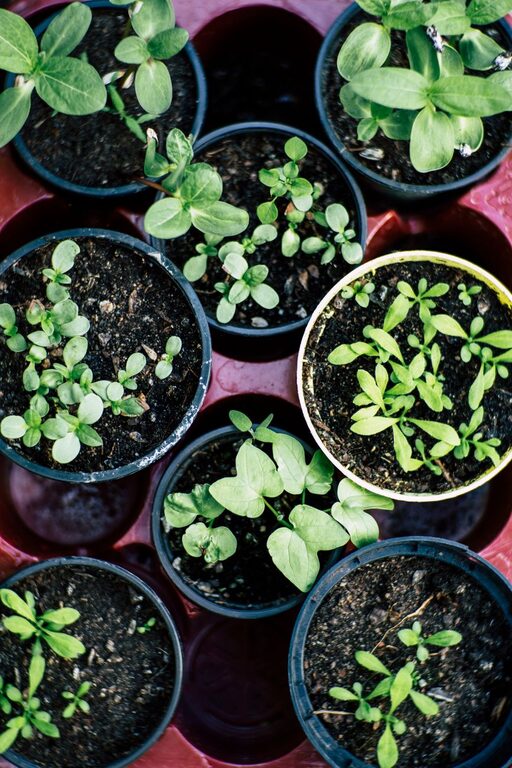
Starting a small herb garden indoors is a rewarding way to bring fresh flavors to your cooking, add greenery to your living space, and enjoy the satisfaction of growing your own plants. Whether you have a spacious kitchen or just a sunny windowsill, an indoor herb garden can fit into nearly any home. This guide will walk you through everything you need to know to get started, from choosing herbs to caring for them successfully.
Why Grow Herbs Indoors?
Growing herbs indoors has many benefits:
– Freshness: Pick herbs when you need them for the best flavor.
– Convenience: Save trips to the store by having herbs close at hand.
– Year-Round Gardening: Grow herbs regardless of the season or outdoor climate.
– Aesthetics: Green plants brighten up your home and improve air quality.
– Cost Savings: Save money over buying fresh herbs regularly.
Now, let’s explore the steps to starting your own indoor herb garden.
Choosing Herbs for Indoor Growth
Not all herbs thrive indoors equally well, so start with varieties known for doing well in indoor conditions. Here are some great options:
– Basil: Popular in many dishes, needs lots of light.
– Parsley: A versatile herb that prefers moderate sunlight.
– Chives: Easy to grow and great for garnishes.
– Mint: Grows vigorously but can spread, so keep it isolated.
– Thyme: Drought tolerant and compact.
– Oregano: Hardy and flavorful.
– Cilantro: Prefers cooler spots and moderate light.
Choose 3 to 5 herbs to start with, depending on the space you have available.
Selecting Containers and Soil
Containers
– Use pots with drainage holes to prevent waterlogging.
– Sizes: 4 to 6 inches in diameter work well for most herbs.
– Material: Clay pots are breathable but dry out faster, plastic retains moisture longer.
Soil
– Use a well-draining potting mix designed for indoor plants.
– Avoid garden soil, which can be too dense and may harbor pests.
Finding the Right Spot for Your Herb Garden
Herbs need plenty of light to grow well indoors, usually about 6 hours of sunlight daily.
– Windowsills: South or southwest-facing windows tend to get the most sun.
– Grow Lights: If natural light is limited, consider LED grow lights designed for indoor plants.
– Temperature: Keep herbs in areas where the temperature stays between 65-75°F.
Planting Your Herbs
You can start herbs indoors from:
– Seeds: Economical but take longer to grow; requires patience.
– Starter Plants: Available at garden centers and faster to get going.
Steps for Planting Seeds
- Fill containers with potting mix.
- Plant seeds according to the depth instructions on the packet.
- Water gently but thoroughly.
- Cover with a clear plastic lid or wrap to keep moisture in, if desired.
- Place in a warm, sunny area or under grow lights.
- Remove the plant gently from its nursery pot.
- Loosen roots if they are densely packed.
- Place in your container and fill with potting soil.
- Water well after planting.
Steps for Transplanting Starter Plants
Caring for Your Indoor Herb Garden
Watering
– Most herbs prefer evenly moist soil but not soggy.
– Check soil moisture daily; water when the top inch feels dry.
– Avoid overwatering to prevent root rot.
Feeding
– Use a balanced, water-soluble fertilizer every 4-6 weeks.
– Follow package instructions for dilution and application.
Pruning and Harvesting
– Regularly pinch or cut back herbs to encourage bushier growth.
– Harvest leaves from the top rather than pulling entire stems.
– Remove any yellow or dead leaves promptly.
Pest Control
– Indoor herbs rarely face serious pest issues but watch for spider mites or aphids.
– Use natural remedies like insecticidal soap if needed.
Troubleshooting Common Problems
| Problem | Cause | Solution |
|——————-|——————————|——————————-|
| Leggy plants | Not enough light | Move to brighter spot or add grow lights |
| Yellow leaves | Overwatering or poor drainage | Adjust watering, improve drainage |
| Wilting | Underwatering or heat stress | Check soil moisture, avoid hot drafts |
| Moldy soil surface| Overwatering or poor air circulation | Reduce watering, increase airflow |
Tips for Success
– Rotate pots occasionally to encourage even growth.
– Use a small fan if air circulation is poor.
– Label your herbs to keep track of varieties.
– Be patient—herbs can take several weeks to fully establish.
Enjoying Your Indoor Herb Garden
Once your herbs are growing well, experiment with using fresh leaves in your favorite recipes, from pesto to teas. Indoor herb gardening can be a fun and ongoing project that adds both flavor and beauty to your home.
—
Starting a small indoor herb garden is simpler than you might think. With the right herbs, containers, light, and care, you’ll soon enjoy fresh, fragrant herbs all year. Happy gardening!
About the Author